Rev. Soc. Bras. Enferm. Ped.2024;24:eSOBEP202402.
Health literacy of children with diabetes on self-monitoring of capillary blood glucose

DOI: 10.31508/1676-3793202402i
Abstract
Objective
To identify the domains of health literacy of children with diabetes evidenced in a therapeutic play session on self-monitoring of capillary blood glucose.
Methods
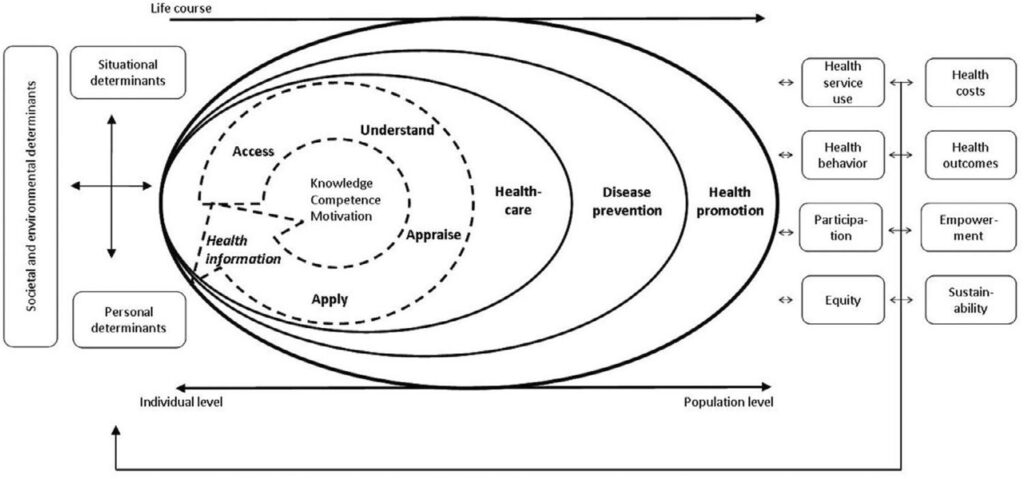
Qualitative study describing instructional therapeutic play sessions conducted at a diabetes camp in Sapucaí Mirim, Minas Gerais, Brazil. Children 8 to 12 years old, with no neurological disease or cognitive impairment, diagnosed with type 1 diabetes were included. The therapeutic play session included: demonstration of the self-monitoring of capillary blood glucose procedure on a doll, thematic storytelling and teach back from participants. During the session, participants were encouraged to report their previous experiences with self-monitoring, to demonstrate the technique and to reflect about its importance. All sessions were recorded and transcribed for thematic analysis, conducted in three phases: preparation of data, organization of categories, and communication of findings. Thematic content analysis investigated the domains of health literacy in light of Sørensen›s theoretical model.
Results
Two school-aged boys revealed how they understand and apply information about self-monitoring. The children showed that they did not know what glucose is and had difficulty explaining its relationship with diabetes. They also demonstrated that they were unaware of the need to record their blood glucose levels, the appropriate puncture sites, and how sharp objects should be disposed of.
Conclusion
The therapeutic play sessions revealed how children understand and apply information about self-monitoring of capillary blood glucose through a playful activity that is interesting for children with diabetes.