Rev. Soc. Bras. Enferm. Ped.2024;24:eSOBEP202403.
Characterization of children with Autism Spectrum Disorder attended in a Pediatric Emergency Department

DOI: 10.31508/1676-3793202403i
Abstract
Objective
To characterize children with Autism Spectrum Disorder (ASD) attended in a Pediatric Emergency Department regarding sociodemographic, clinical, and birth-related variables.
Method
Quantitative, cross-sectional, and descriptive study conducted in the Pediatric Emergency Department (PED) of a University Hospital in southern Brazil. Participants included children with ASD hospitalized between 2019 and 2023. Data collection occurred from March to April 2024 through electronic medical record searches, and analysis was performed using descriptive statistics, employing absolute and relative frequencies.
Results
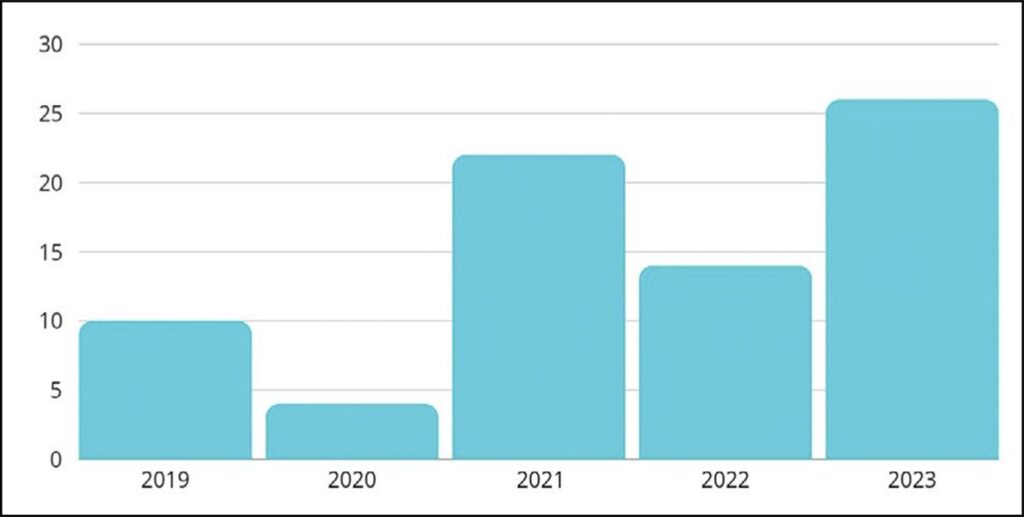
A total of 51 medical records of children with autism attended during the period were included, with a prevalence of males, with 37 (72.5%), aged between 6 and 12 years old (54.9%), with the mother as companion in 43 of the cases (91.5%), 39.2% of the children were born by cesarean section. Among the 51 children with ASD admitted to PED, some were hospitalized more than once, totaling 76 hospitalizations in the period analyzed. The main symptoms associated with hospitalization at PED were: fever, convulsion, respiratory discomfort and cough.
Conclusion
The study characterized children with ASD treated at a PED, highlighting the prevalence of males, born by C-section, with clinical symptoms such as fever, respiratory discomfort and seizures. The findings indicate the need to prepare the team for comprehensive and humanized care for this population, given their prevalence in emergency services, considering their clinical and behavioral specificities.