Rev. Soc. Bras. Enferm. Ped.2025;25:eSOBEP202515.
Pediatric hospitalization for surgical procedure: production of informative video for the companion

DOI: 10.31508/1676-3793202515i
Abstract
Objective
To produce a video about routines and institutional rules for caregivers of children indicated for surgical procedures.
Method
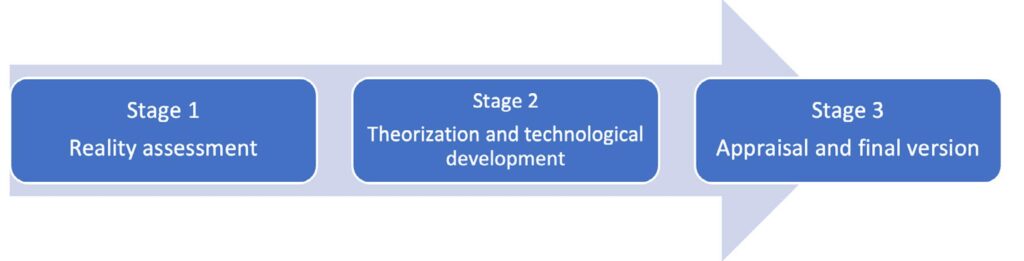
A technological development study, in 3 stages: diagnosis of the reality; theorization and technological development; appraisal and final design, in a public pediatric hospital in Manaus, between September 2023 and February 2024. In Stage 1, emerging themes were identified with 44 participants, including health professionals (9), caregivers of children indicated for surgical procedures (17), and post-operative caregivers (18) at the institution. Data were collected using specific instruments, organized, and analyzed in Excel software to identify emerging themes. In Stage 2, the textual and imagery content of the product was selected based on a review of institutional rules, guided by the emerging themes. The content was organized into a storyboard for video production. In Stage 3, version 1.0 of the video was evaluated by expert judges (9) using the Health Educational Content Validation Instrument. In the data analysis, the Agreement Score among the evaluators was estimated.
Results
Fourteen emerging themes were identified, organized into the groups: “pre-admission information” and “information about the stay at the institution and the surgical procedure.” Institutional standards were reviewed, and the Storyboard and narration texts were produced. The video was produced in Slow Motion, with a duration of 7’50”, in MP4. Version 1.0 of the video was considered valid by the expert judges (IVCES=87%; EC=+1) to be used in preparing the accompanying person.
Conclusion
The study showed that access to clear and timely information is a need of the companion, perceived by both him and the healthcare team, with videos being useful tools for transmitting information. The review of institutional rules and the evaluation of the content by specialist judges ensured the coherence of the production with the institutional reality and the service routines.